
Campsite electric hook-up in Spain: which adapter to bring?
The bollard socket, the amperage found in the campsites of the directory and what you can plug in in Spain.
To bring
Your blue cable is enough
Blue CEE 16 A hook-up cable
The campsite bollard socket (EN 60309-2 standard). Always unwind it completely: coiled, it heats up.
Spain
Blue CEE socket
Most common in the directory: 10 A
Campsite electricity: Spain
A bollard doesn’t have the expected socket? Ask the campsite reception for an adapter.
What can you plug in?
The bollard trips if everything running at the same time exceeds its power. It depends on the amperage announced by the campsite.
- 4 A
- about 900 W
- 6 A
- about 1,400 W
- 10 A
- about 2,300 W
- 16 A
- about 3,700 W
Add up the power written on the label of each appliance switched on at the same time.
How many days on battery power? →In short
Campsite bollards in Spain have the blue CEE socket (EN 60309-2 standard), at 230 V: your blue cable fits. In the Campernest directory, 200 campsites out of 1,740 announce their amperage: the most common is 10 A (47%), and 119 offer 10 A or more.
Amperage at campsites in Spain
Campsites in Spain with 10 A or more
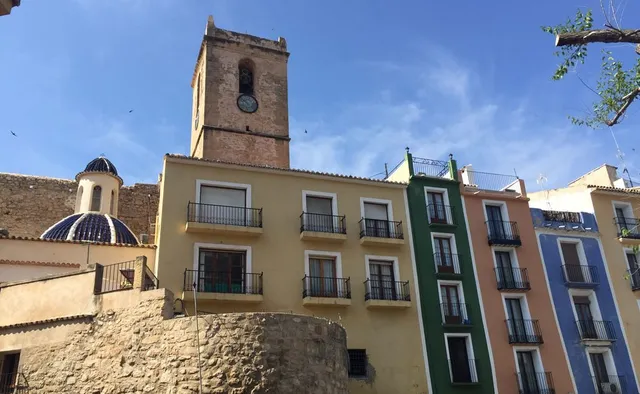
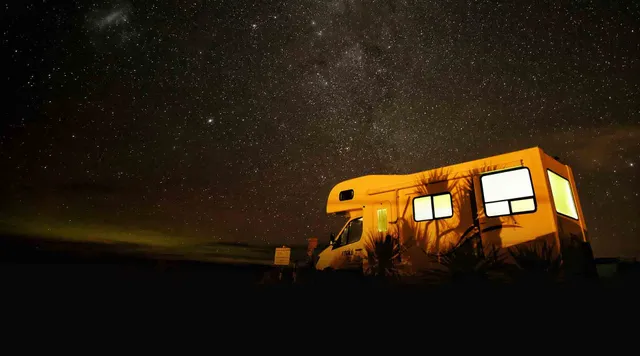
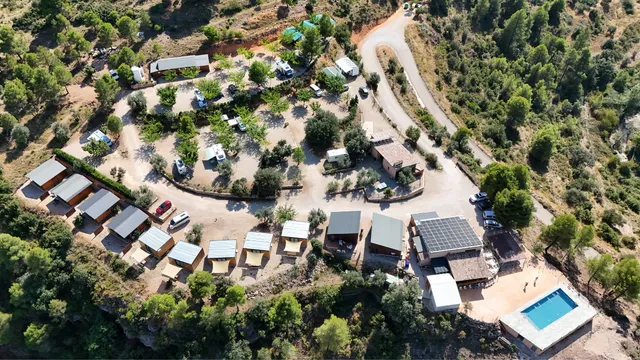
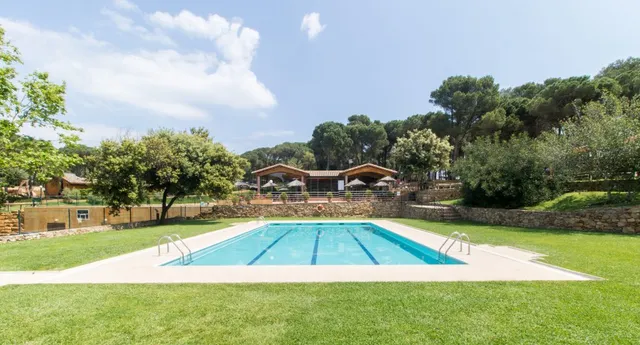
119 campsites in the directory announce at least 10 A on their bollards. Here are a few.
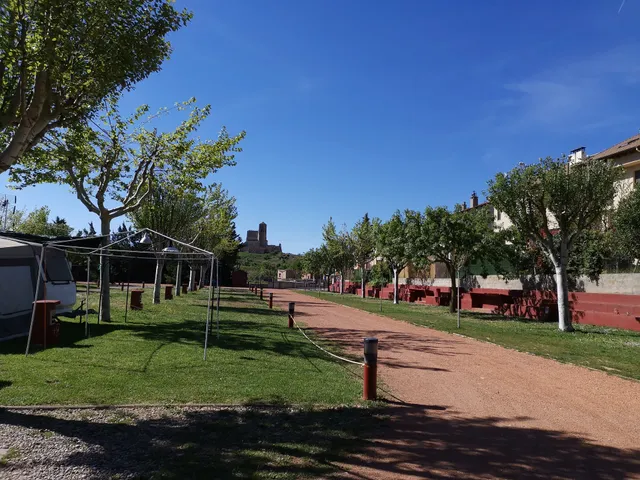
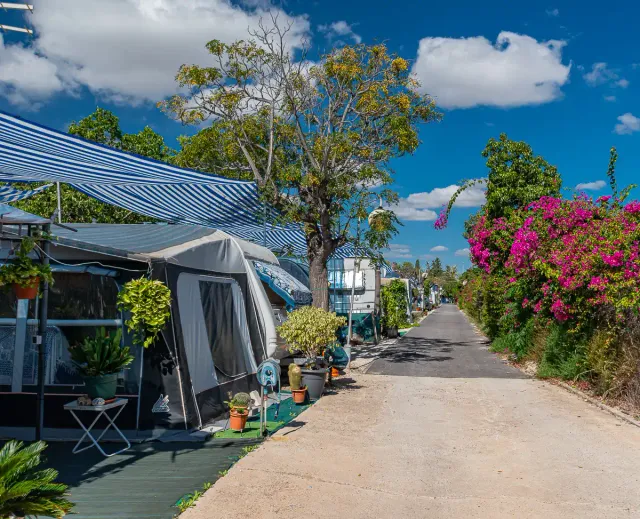
The blue campsite socket
European campsites follow the same standard for their bollards (HD 60364-7-708, adopted in each country): every pitch has a round blue three-hole socket, the EN 60309-2 industrial socket, often called a “CEE” or “commando” socket.
This socket is rated for at least 16 A. But the campsite decides how much it gives you: its bollard often trips at 6 or 10 A. That amperage, announced by the campsite, is what counts.
A known exception: in Switzerland many bollards have the Swiss T13 socket. The Touring Club Suisse advises carrying an adapter, and some campsites hire them out at reception.
In Spain, the low-voltage regulations (Real Decreto 842/2002) devote instruction ITC-BT-41 to campsites, which refers to the UNE 20460-7-708 standard.
What you can plug in, by amperage
The bollard trips if everything running at the same time exceeds its power: the amperage multiplied by 230 V. Add up the power written on the label of every appliance switched on at the same time (heater, kettle, battery charger…).
| Announced amperage | Power available at the same time |
|---|---|
| 4 A | about 900 W |
| 6 A | about 1,400 W |
| 10 A | about 2,300 W |
| 16 A | about 3,700 W |
Add up the power written on the label of each appliance switched on at the same time.
Other countries
More countries will follow with the campsite directory.
Frequently asked questions
Do I need an adapter to camp in Spain?
Usually not: campsite bollards in Spain have the blue CEE socket, and your blue cable fits. If a bollard has another socket, ask reception for an adapter.
What is the bollard amperage at campsites in Spain?
It depends on each campsite. Of the 200 campsites in the Campernest directory that announce it, the most common is 10 A (47%).
How many campsites in Spain offer 10 A or more?
119 campsites in the Campernest directory announce 10 A or more, out of the 200 that give their amperage.
What should I do if the bollard trips?
Switch off a power-hungry appliance (electric heater, kettle, hair dryer), then reset the bollard or ask reception to do it. At 6 A you have about 1,400 W at the same time; at 10 A, about 2,300 W.
Sources (2)
This information is general. Before plugging in, check the socket and amperage shown on the bollard or ask the campsite reception. Never use a damaged cable or adapter.